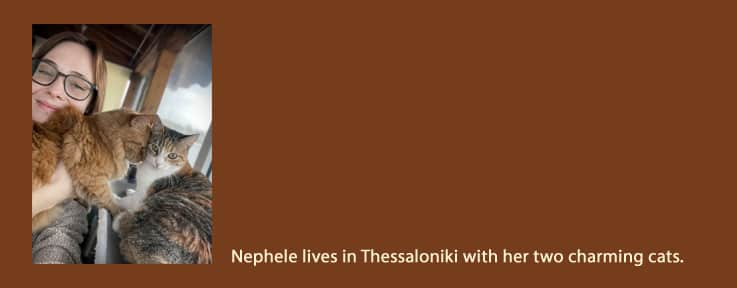
by Nephele Troullinos
My phone bank work for DAGR started with a bang. The first person I called was a retired military officer with an infectious chuckle. As a new volunteer, I didn’t know what to expect, but what I got was a half hour of anecdotes, wisdom and humor, delivered only the way a Greek-American expat from a Southern state can.
He, an early boomer, and I, a zillennial, discussed politics and commiserated. Our generational gap only served to create a bridge, as we talked about algorithmic information diets, disillusioned young voters and other issues of concern to us both. He mentioned the political rebranding of “global warming” to “climate change,” reminding me of the urgency I felt in fourth grade, learning of the critical rise in global temperatures. With some heaviness, I wondered what American fourth graders today understand and feel about our planet’s environmental crises.
Between the shared highs and lows of our call, I hadn’t yet asked about voting in the midterms. When I got around to it, he promptly told me, “I’m not voting! My vote doesn’t change anything in Alabama!” followed by that endearing laugh. I didn’t press him. As a California Democrat, I knew what he meant. Still, I reminded myself that a vote only truly changes nothing if it’s never cast.
With that first conversation, some of my nerves fell away. I told myself I would continue phone banking with confidence and a sense of purpose. Could I reach every single person on my list and help them vote successfully? My ambition was a little bizarre for someone who rarely answers unexpected calls and has call screening switched on. I kept this paradox at the back of my mind and pursued my call list. Amazingly, most people picked up.
Most calls I made were brief and pleasant. Many people had voted from abroad before and were already planning to for this year’s midterms. I sent them the Vote From Abroad links anyway, to refresh the steps or confirm their registration. Others were unsure of the process and glad to have someone point them in the right direction. While some calls went unanswered, others were picked up by folks driving, waiting in the metro or preparing dinner, and all kindly asked me to call back.
A handful of calls stuck with me. There was the mother whose son always helps her with her ballot. Three individuals I’d called separately turned out to be close neighbors. A well-prepared voter made sure to tell me which young New York politician she does not care for. A published author told me quickly that yes, he would vote, and hung up before I could finish my sentence. No bother; I don’t want to bother. That could’ve easily been me on any given day, a little neurotic answering an unknown number. There were also the answering machine greetings so poised and eloquent they hinted at rich conversations that might’ve been.
For most, my calls served as a reminder, but one call felt like it mattered just a little more. A journalist who had briefly lived in the States didn’t have voting on her radar. Our short exchange made her curious, and she told me she’d consider voting. I emailed her the links and told myself that was worth something.
This virtuous feeling came and went as I continued phone banking. Admittedly, there were days when I couldn’t reach anyone, much less enjoy fruitful conversations. Still, as one of the easier tasks on my to-do list, phone banking was managable between my other responsibilities and end-of-summer travels. I’d make a few calls a day and update my tracking spreadsheet, noting whom to call back and for whom I’d filled out a form or sent an email.
The real kicker here is that I’d never voted from abroad before. By the time I’d gotten through my call list, I still hadn’t requested my ballot! When I finally did, the very helpful Vote From Abroad website guided me through the process as a first-time overseas voter. First, I checked whether I was registered to vote. As expected, I was. Next, I completed the online Federal Post Card Application and immediately received my FPCA form by email.
Suddenly I was confused. This looked like a voter registration form, but I was already registered… Had I been directing people to the wrong form? Just before my imposter syndrome could kick in, I realized the FPCA is a 2-in-1 form for overseas registration and ballot requests. Relieved, I quickly signed the form, took a photo with my phone and emailed it back to my county’s election office. The next day they confirmed they’d received it, and within a few days I was emailed my ballot, which I filled out electronically, printed and signed.
My ballot was ready to be sent back. Wait … did I read that correctly? As a California voter, I can submit my ballot by fax? Amused, I imagined telling friends I’d voted from Greece by fax in 2026. And I was seriously considering it. Tech-savvy as I am, I could easily scan my ballot and fax it through my printer’s iPhone app. Or, for the true faxing experience, I could visit a printing center nearby. Ultimately, though, I sent my ballot with good ol’ FedEx.
Now that I’ve voted (and I hope you have too), I leave you with a proposition and an invitation.
If you’re an American voting from abroad, remember you need to submit a new FPCA every calendar year. The earlier, the better. Don’t wait till October like I did.
And if phone banking sounds like something you’d enjoy, please join us for the next Get Out the Vote push. Send DAGR an email with "GOTV Volunteer" in the subject field.
As for the Southern gentleman whose laugh I can still hear, I know the next volunteer who calls him is in for a treat. And maybe, by the end of that call, he’ll decide to cast his blue vote in a red state.
###