


The strong support for Trump, even in the face of false information, is driven by psychological factors like confirmation bias, cognitive dissonance, social identity, and fear. These elements work together to create an environment where misinformation is not only believed but actively defended. By understanding these psychological mechanisms, we can better comprehend why Trump supporters act the way they do, even when the facts suggest otherwise.
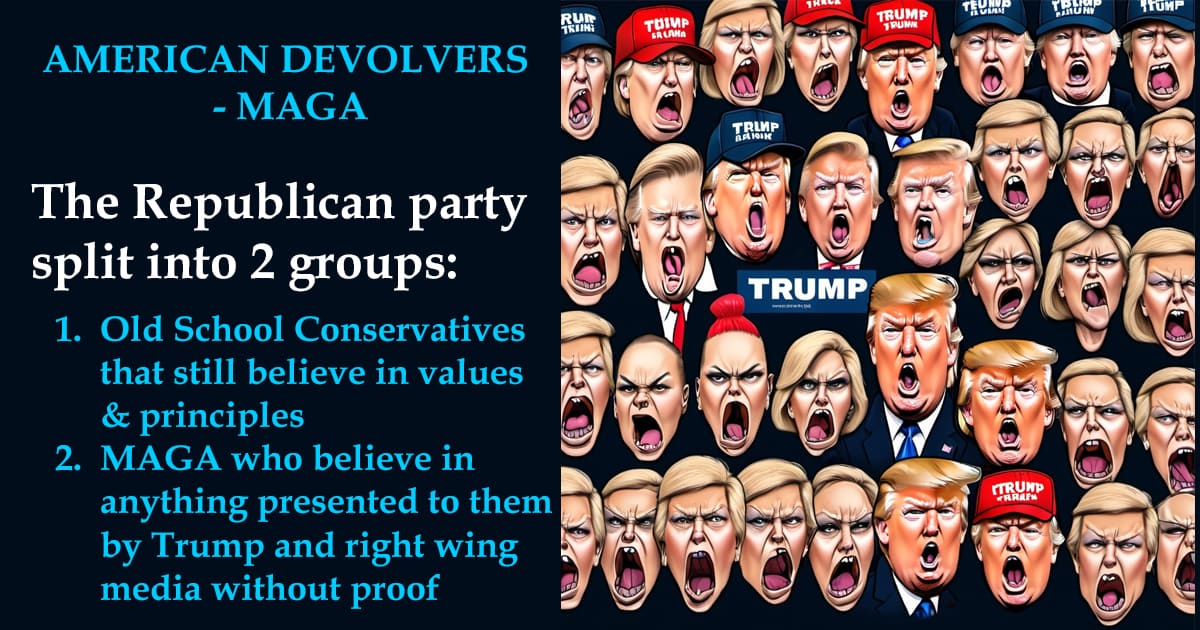
Trump supporters' behavior and their strong belief in false information can be explained by several psychological and social factors. Here are the key elements that drive this phenomenon, explained in simple terms:
1. Confirmation Bias
Confirmation bias is a psychological tendency where people seek out information that supports their existing beliefs while ignoring or dismissing information that contradicts them. Trump supporters often consume news from sources like Fox News or right-wing media, which reinforces their worldview. They become resistant to opposing facts because their brains are wired to protect their beliefs.
2. Social Identity Theory
Social identity theory explains that people define themselves by their group memberships. For Trump supporters, their political affiliation becomes a core part of their identity. Belonging to the "Trump camp" creates a sense of unity and belonging. Rejecting Trump would feel like rejecting part of their own identity, so they are more likely to stay loyal to him even in the face of conflicting information.
3. Cognitive Dissonance
Cognitive dissonance is the discomfort people feel when they hold two contradictory beliefs at the same time. To avoid this discomfort, individuals often reject new information that conflicts with their current beliefs. For example, even if evidence shows that Trump lied, supporters might dismiss it to avoid feeling that inner tension.
4. The "Illusory Truth Effect"
The illusory truth effect refers to the psychological phenomenon where people start to believe false information if they hear it repeated often enough. Trump and his allies have repeatedly pushed false claims (e.g., election fraud), and repeated exposure to these claims makes them seem true, even without supporting evidence.
5. Echo Chambers
Many Trump supporters live in "echo chambers," where they only hear opinions and news from people who think like them. Social media platforms and biased news outlets create environments where alternative viewpoints are minimized. In this insulated space, false narratives get reinforced without challenge, making it easier for people to accept misinformation as fact.
6. Fear and Anxiety
Fear and anxiety can also drive political behavior. Trump has effectively used fear-mongering about immigration, economic decline, and crime to rally his base. People under stress or fear are more likely to seek out simple, reassuring answers—even if those answers are not based on facts. Trump’s strongman persona offers this reassurance by providing quick solutions and scapegoats (e.g., blaming immigrants or the media).
7. Charismatic Leadership
Trump’s charisma plays a significant role. He presents himself as a leader who tells it "like it is," even when what he says is untrue. His supporters view him as someone who speaks for them, breaking the norms of political correctness and challenging the elites, which strengthens their emotional attachment to him.
8. The Dunning-Kruger Effect
The Dunning-Kruger effect suggests that people with limited knowledge or ability in a particular area tend to overestimate their understanding. This can lead some Trump supporters to feel confident in their false beliefs, even though they might lack the information or skills to critically evaluate the claims.

 Follow Democrats Abroad's Yucatan Chapter on Facebook!